
What is Arabica coffee? This blog post provides a comprehensive answer to this question. In short, Arabica coffee refers to the coffee species scientifically known as Coffea arabica. It is one of the most widely consumed and highly regarded coffee species globally. Arabica coffee is famous for its exceptional taste, aroma, and quality.
Keep reading to discover the fascinating origins, key characteristics, and health benefits of Arabica coffee.
Table of Contents
Introduction
Arabica coffee, scientifically known as Coffea arabica, is a highly regarded and widely consumed coffee species. Its exceptional taste, aroma, and quality have made Arabica coffee beans a favorite among coffee enthusiasts and connoisseurs.
In this comprehensive guide, we will delve answer these questions:
What is Arabica coffee? What are its characteristics? How does it differ from Robusta? What are its health benefits? What are the famous Arabica brands?
Definition and Key Characteristics of Arabica Coffee Beans
What is Arabica Coffee?
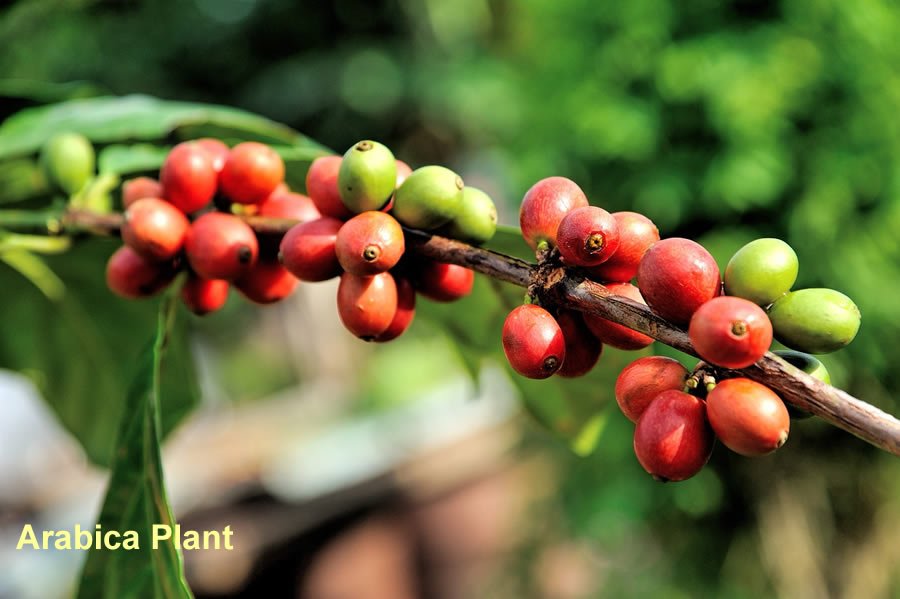
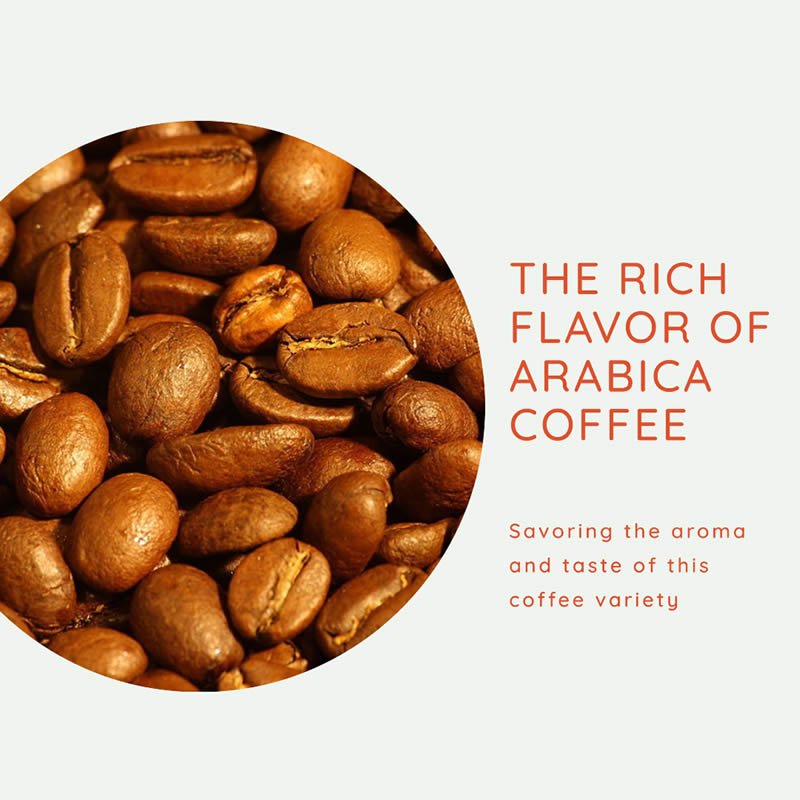
Arabica coffee beans are derived from the Coffea arabica plant. These beans have an elongated and curved shape, with a deep groove on one side.
Arabica beans, with their velvety texture and a delightful balance of acidity, boast an extensive spectrum of subtle flavors. Unlike their counterparts, Arabica beans exhibit a captivating and intricate flavor profile, encompassing an array of fruity and floral essences as well as hints of nuttiness and indulgent chocolate undertones.
The captivating aroma of Arabica coffee adds to its overall sensory experience.
The Origins and Countries Producing Arabica Coffee
Let’s talk about Arabica Coffee history now!
Arabica coffee is believed to have originated from the highlands of Ethiopia, particularly the regions of Kaffa and Buno. Over time, it has spread across different continents and is now grown in various countries known for their coffee production. Some prominent regions include:
- East Africa: The birthplace of coffee, East Africa is home to the ancestral roots of Arabica coffee. Ethiopia, particularly the regions of Sidamo, Yirgacheffe, and Harrar, showcases the diverse and distinct flavors of Arabica coffee.
- Latin America: Countries like Colombia, Brazil, Costa Rica, Guatemala, and Honduras in Latin America contribute significantly to the global production of Arabica coffee. These countries are renowned for their high-quality Arabica beans.
- Asia-Pacific: Indonesia, India, Vietnam, and Papua New Guinea are among the countries in the Asia-Pacific region that cultivate Arabica coffee. Each country brings its unique terroir and flavor characteristics to the diverse range of Arabica coffee profiles.
Why is it called Arabica coffee?
The name “Arabica” or Coffea Arabica is believed to have originated during the coffee’s journey from Ethiopia to Arabia in the 7th Century.
Who owns Arabica Coffee?
Arabica Coffee is not owned by a single entity or organization. It is cultivated by numerous coffee farmers, cooperatives, and estates across different regions and countries. The geographical regions known for arabica coffee growth include East Africa (such as Ethiopia), Latin America (including Colombia and Brazil), and the Asia-Pacific region (including Indonesia and Vietnam). These regions offer the ideal climate, altitude, and soil conditions for Arabica Coffee plants to flourish.
What Makes Arabica Coffee Special?
Arabica coffee stands out for its exceptional taste, aroma, and overall sensory experience. Its diverse flavor profiles, ranging from fruity and floral to nutty and chocolatey notes, provide a captivating and nuanced coffee experience. Arabica beans have a smooth texture, moderate acidity, and a captivating aroma that enhances the enjoyment of the brewed coffee. Additionally, the lower caffeine content compared to robusta makes Arabica coffee a preferred choice for those seeking a milder and smoother coffee experience.
Is Starbucks Coffee Arabica or Robusta?
Starbucks primarily uses Arabica coffee beans for their beverages. Arabica beans are known for their superior quality, desirable characteristics, and widespread popularity among coffee enthusiasts. While Starbucks may offer blends or products that contain a mixture of Arabica and robusta beans, their core coffee offerings are predominantly made from Arabica beans.
Key Differences between Arabica and Robusta Coffee
Arabica coffee beans have several distinguishing features that set them apart from Robusta beans.
- Arabica beans tend to have a more complex and nuanced flavor profile, with captivating aromas.
- They contain less caffeine compared to Robusta beans, making them a preferred choice for those seeking a milder coffee experience.
- Arabica coffee requires specific growing conditions, thriving at higher altitudes and cooler climates, while Robusta is more resilient and can tolerate lower elevations and hotter climates.
| Characteristics | Arabica Coffee | Robusta Coffee |
|---|---|---|
| Flavor Profile | Complex and nuanced, with a wide range of flavors including fruity, floral, nutty, and chocolatey notes | Bitter, earthy, with stronger and more intense flavors |
| Acidity | Balanced, moderate | Higher |
| Aroma | Fragrant, captivating, often with floral and citrus notes | Less aromatic, with a stronger and more pungent aroma |
| Caffeine Content | Lower caffeine content compared to Robusta | Higher caffeine content compared to Arabica |
| Growing Conditions | Requires higher altitudes, cooler climates | Tolerates lower elevations, hotter climates |
| Plant Sensitivity | More sensitive to diseases, pests, and climate variations | More resilient and less prone to diseases and pests |
| Worldwide Production | Approximately 60% of total coffee production | Approximately 40% of total coffee production |
| Market Price | Generally higher due to its superior quality and demand | Generally lower due to higher yields and lower demand |
Arabica vs Robusta which is better?
The choice between Arabica and Robusta coffee depends on personal preference. Arabica is favored for its superior taste and nuanced flavors. Robusta, however, offers a stronger and more bitter taste with higher caffeine content.
Robusta vs Arabica caffeine
Arabica coffee generally contains less caffeine compared to Robusta coffee.
Famous Arabica Coffee Brands
Within the vast world of coffee, numerous brands have gained recognition for offering exceptional Arabica coffee beans.
Here are some examples of reputable and well-known Arabica coffee brands available in the market:
- Starbucks: A globally recognized coffee chain that offers a variety of Arabica coffee options. They prioritize sourcing high-quality beans and have established their own ethical sourcing program called Coffee and Farmer Equity (C.A.F.E.) Practices.
- Lavazza: An Italian coffee company known for its wide range of Arabica blends and single-origin coffees. Lavazza has a long-standing reputation for producing premium-quality coffee and has been in the industry for over 120 years.
- Illy: Renowned for its focus on quality and innovation, Illy offers a selection of Arabica blends and single-origin coffees. They are known for their meticulous selection process, sustainable practices, and the use of a unique coffee packaging system to preserve freshness.
- Peet’s Coffee: A specialty coffee company that sources and roasts high-quality Arabica beans. Peet’s Coffee has a strong commitment to craftsmanship and sustainability, and they offer a range of single-origin and blended Arabica coffees.
- Stumptown Coffee Roasters: This Portland-based coffee roastery is celebrated for its dedication to sourcing and roasting exceptional Arabica beans. They work closely with farmers, emphasizing transparency and sustainable practices to ensure quality throughout the supply chain.
- Intelligentsia Coffee: Known for its direct trade practices and focus on quality, Intelligentsia offers a diverse selection of Arabica coffees. They source beans from various origins, roast them meticulously, and provide detailed information about the farms and processes behind each coffee.
- Blue Bottle Coffee: Blue Bottle is recognized for its commitment to freshness and flavor. They specialize in small-batch roasting of Arabica beans and prioritize seasonal, sustainable, and traceable sourcing.
- Counter Culture Coffee: This North Carolina-based coffee roaster places an emphasis on sustainability, ethical sourcing, and transparency. They work closely with farmers to ensure high-quality Arabica beans and offer a range of single-origin and blended coffees.
Each brand of the above brands has its own unique characteristics, sourcing practices, and flavor profiles, so exploring different brands can be a delightful journey for coffee enthusiasts.
Health Benefits of Arabica Coffee

Arabica coffee offers potential health benefits when consumed in moderation as part of a balanced lifestyle. Some of these benefits include:
- Increased Alertness and Focus: The caffeine content in Arabica coffee can enhance mental alertness, improve focus, and reduce fatigue. It provides a natural energy boost to start the day or overcome afternoon slumps.
- Antioxidant-Rich: Arabica coffee contains antioxidants that help protect the body against oxidative stress and inflammation. These antioxidants contribute to overall health and well-being.
- Improved Physical Performance: The caffeine in Arabica coffee stimulates the central nervous system, leading to enhanced physical performance. It can increase endurance, reduce perceived exertion, and improve muscle strength and power.
- Potential Cognitive Benefits: Regularly enjoying Arabica coffee has been linked to a decreased risk of cognitive decline and specific neurodegenerative ailments. This includes Alzheimer’s and Parkinson’s diseases. Consistent consumption of this variety of coffee has shown potential in mitigating the likelihood of cognitive deterioration, offering a natural approach to promoting brain health and potentially safeguarding against these debilitating conditions.
However, it’s important to be mindful of individual sensitivities, caffeine tolerance, and potential drawbacks related to coffee consumption, such as acidity and added ingredients. Consulting with a healthcare professional or registered dietitian can provide personalized guidance based on specific health concerns.
Conclusion
Arabica coffee, with its rich history, diverse flavors, and potential health benefits, has become a beloved beverage worldwide. From its origins in Ethiopia to the renowned coffee-producing regions across the globe, Arabica coffee offers a sensory journey for coffee enthusiasts.
FAQs
-
What is so special about Arabica coffee?
Arabica coffee is known for its exceptional taste, nuanced flavors, and captivating aroma. It offers a delightful and high-quality coffee experience.
-
What is the difference between Arabica and regular coffee?
The difference between Arabica and “regular” coffee lies in the specific species used. Arabica coffee refers to Coffea arabica, while “regular” coffee can be a blend that includes different coffee species, including Arabica and Robusta.
-
Is Starbucks coffee Arabica or Robusta?
Starbucks primarily uses Arabica coffee beans for their beverages. Arabica beans are favored for their superior taste and desirable characteristics.
-
Is Arabica coffee the healthiest?
Arabica coffee is often considered a healthier option due to its lower caffeine content and potential antioxidant benefits. However, individual health considerations and moderation are still important factors.
-
Is Arabica coffee strong?
The strength of Arabica coffee can vary depending on factors such as the roast level and brewing method. However, Arabica coffee generally offers a balanced and smooth flavor profile, without being overly strong or bitter.
-
What is 100% Arabica coffee?
“100% Arabica coffee” means that the coffee is made exclusively from Arabica coffee beans, without any other coffee species blended in. It ensures a pure Arabica coffee experience with its distinctive characteristics.