
Table of Contents
Introduction
Coffee is more than just a beverage—it’s a cultural experience deeply rooted in traditions across the globe.
From the intricate ceremonies of Ethiopia to the laid-back café culture of Italy, coffee rituals reflect the unique identities of the countries they come from.
Let’s embark on a journey to explore some of the most fascinating coffee traditions worldwide.
Before starting the journey, let’s discuss the importance of preserving tradition in modern times.
Preserving Tradition in Modern Times
Preserving coffee traditions in today’s fast-paced world is vital. Coffee rituals around the world serve as a bridge between the past and present, offering a sense of identity, fostering human connection, and reminding us to slow down and appreciate the rituals that bring meaning to our daily lives.
The importance of preserving coffee rituals around the world:
- Global Appreciation: Sharing these rituals globally fosters cross-cultural understanding and appreciation, enriching the global coffee culture.
- Cultural Heritage: Coffee rituals are deeply rooted in the history and identity of communities. Preserving them ensures that cultural knowledge and practices are passed down to future generations.
- Connection to the Past: Traditions provide a sense of continuity, linking modern life to the stories, values, and customs of our ancestors.
- Community Bonding: Many coffee rituals, like the Ethiopian coffee ceremony, foster social connections and strengthen community ties, offering a break from the isolation of modern life.
- Sustainability: Traditional methods often emphasize mindful preparation and respect for natural resources, aligning with modern sustainable practices.
Coffee Rituals Around the World
Coffee rituals around the world are diverse and fascinating, each offering a glimpse into unique cultural traditions. In the following sections, we’ll take you on a journey filled with rich aromas, vibrant customs, and the stories behind the world’s most beloved beverage.
1. Ethiopia: The Birthplace of Coffee
Let’s start our journey of coffee rituals around the world from Ethiopia, where coffee first originated.
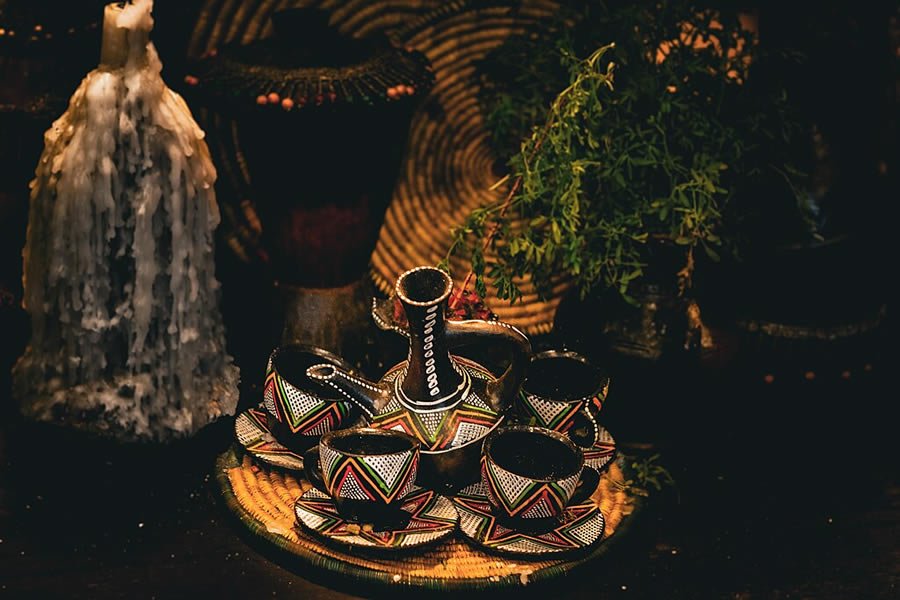
In Ethiopia, coffee is more than a drink; it’s a ceremonial event. The Ethiopian coffee ceremony involves roasting green coffee beans over an open flame, grinding them by hand, and brewing the coffee in a traditional pot called a jebena. The ceremony is an essential part of Ethiopian hospitality and can last several hours, as participants enjoy three rounds of coffee, known as abol, tona, and baraka.
ProtoplasmaKid, CC BY-SA 4.0, via Wikimedia Commons
2. Italian Espresso: Coffee Culture
Italy’s coffee culture revolves around the espresso. Italians take their coffee quickly, often standing at a bar. Cappuccinos are reserved for mornings, while espressos are enjoyed throughout the day. Ordering a “latte” here might confuse the barista—it simply means “milk.”

3. Turkey: Rich and Aromatic Brews
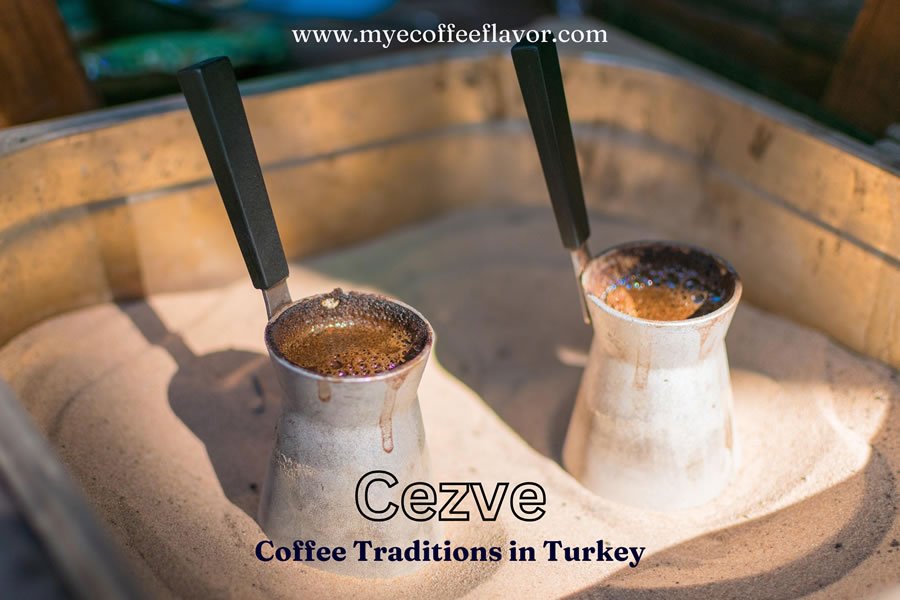
Turkish coffee is made by boiling finely ground coffee beans with water and sugar in a small pot called a cezve. The unfiltered coffee is poured into small cups, and the grounds settle at the bottom. Coffee reading, or interpreting the grounds left in the cup, is a common tradition in Turkey and a fun way to add intrigue to coffee time.
4. Japan: Precision and Elegance
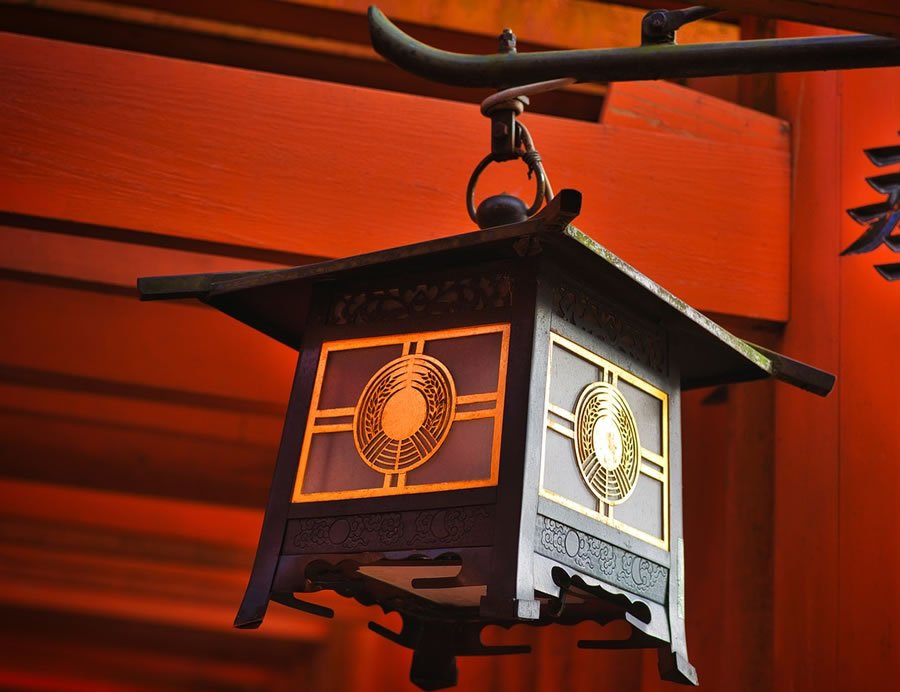
In Japan, coffee culture blends modern techniques with traditional aesthetics. Siphon brewing is a popular method, where coffee is brewed using a vacuum process that highlights precision and clarity of flavor. Japanese kissaten (traditional coffee shops) often serve meticulously prepared coffee in serene settings.
5. Sweden: Fika Culture
In Sweden, coffee isn’t just about the drink; it’s about the break. Fika is the Swedish custom of taking a pause to enjoy coffee and pastries with friends or colleagues. It’s a moment to slow down, connect, and rejuvenate.
6. Vietnam: Coffee with a Twist
Vietnamese coffee is known for its unique flavors and preparation methods. Traditional Vietnamese coffee (cà phê) is brewed using a drip filter and often served with sweetened condensed milk. Variations include egg coffee (cà phê trứng), a creamy delight made with whipped egg yolks.
7. Colombia: Coffee with Community
In Colombia, coffee is a vital part of daily life. Locals often enjoy tinto, a black coffee served sweetened, throughout the day. Coffee farms, or fincas, also play a key role in Colombian culture, with many offering tours and tastings for visitors.
8. Finland: Coffee with Cheese
Finland boasts one of the highest coffee consumption rates in the world. A unique tradition is serving coffee with leipäjuusto (a mild cheese known as “Finnish squeaky cheese”). The cheese is dipped in the coffee, creating a surprisingly delightful pairing.
9. France: Café Culture
In France, coffee is often enjoyed leisurely at cafés. A café au lait (coffee with hot milk) is a popular breakfast choice, while a café noir (black coffee) is preferred later in the day. French cafés are social hubs, where people gather to chat, read, or simply watch the world go by.
10. Saudi Arabia: A Symbol of Hospitality
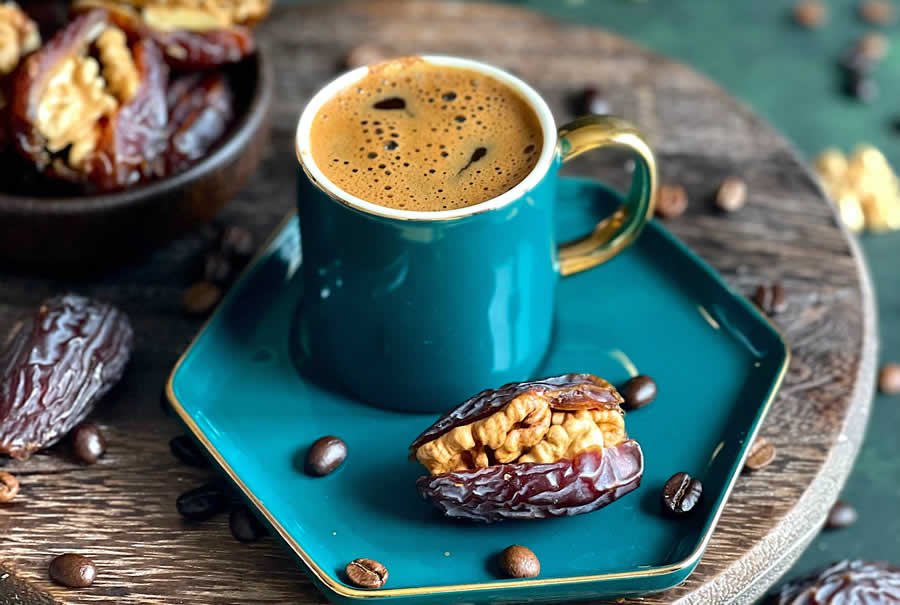
In Saudi Arabia, coffee, or qahwa, is served as a sign of hospitality. The coffee is spiced with cardamom and often accompanied by dates. Guests are served in small cups, and it’s customary to accept at least one cup but no more than three.
11. Morocco: Spiced Coffee Bliss
In Morocco, coffee is often infused with a variety of spices, creating a rich and aromatic experience. Known as kahwa, Moroccan coffee may include ingredients like cinnamon, cardamom, nutmeg, and cloves. These spices are added during the brewing process, resulting in a fragrant, spiced beverage that’s deeply satisfying. Coffee is commonly enjoyed alongside sweet pastries or paired with mint tea, reflecting Morocco’s love for flavorful and social drinking traditions.
12. Australia: The Flat White Revolution
Our journey of coffee rituals from around the world ends in Australia.
Australia has a thriving coffee culture, and the flat white is its most iconic contribution to the coffee world. Made with a shot of espresso and velvety microfoam, the flat white is smoother and creamier than a latte. Coffee culture in Australia is casual yet sophisticated, with an emphasis on quality and community. Independent coffee shops dominate the scene, and Australians are known for their discerning taste when it comes to coffee.
Regional Coffee Brewing Methods
Different regions have developed unique methods of brewing coffee, each reflecting their culture and traditions:
- Turkish Coffee (Middle East & Eastern Europe): Finely ground coffee is simmered with water and sugar in a small pot called a cezve, creating a strong, unfiltered brew.
- Italian Espresso (Italy): Coffee is brewed under high pressure in an espresso machine, producing a concentrated shot with a rich crema.
- Ethiopian Coffee Ceremony (Ethiopia): Coffee beans are roasted, ground, and brewed in a clay pot (jebena), often accompanied by traditional rituals.
- Vietnamese Drip Coffee (Vietnam): Coarsely ground coffee is brewed using a metal drip filter (phin) and served with sweetened condensed milk.
- Cold Brew (United States): Coffee grounds steep in cold water for 12–24 hours, resulting in a smooth, low-acidic beverage.
- Café Touba (Senegal): Coffee is infused with grains of Guinea pepper and cloves, creating a fragrant and spiced flavor profile.
- Moroccan Spiced Coffee (Morocco): Coffee is brewed with spices like cinnamon, nutmeg, and cardamom, offering a warm and aromatic twist.
Each method showcases the ingenuity and diversity of coffee traditions across the globe.
FAQs
What are some of the rituals or traditions associated with coffee?
Coffee rituals and traditions vary globally, but they often reflect hospitality, social connection, and cultural pride. Examples include the Ethiopian Coffee Ceremony, Turkish coffee fortune-telling, or Italy’s espresso culture where sipping at a café bar is a cherished routine.
How does coffee culture vary around the world?
Coffee culture ranges from quick, functional coffee consumption in the U.S. to elaborate ceremonies like in Ethiopia. In Japan, coffee is enjoyed in quiet, artistic kissaten cafes, while in Sweden, fika is a tradition of sharing coffee and pastries with friends.
Which country is famous for coffee culture?
Italy is particularly famous for its coffee culture, with its iconic espresso bars and strict rules around how and when to drink different types of coffee. Ethiopia is also renowned as the birthplace of coffee, where the drink plays a central role in its cultural ceremonies.
What is in the coffee ritual?
A coffee ritual often involves a methodical brewing process, the serving of coffee in a specific style, and shared moments of conversation or relaxation. For instance, in the Moroccan coffee ritual, spices like cardamom and cinnamon are often added for flavor, creating an aromatic experience.
The Universal Love for Coffee
Despite the differences in preparation and rituals, coffee connects people worldwide. Whether it’s the spiced kahwa of Morocco, the velvety flat white of Australia, or the communal warmth of Ethiopian coffee ceremonies, coffee reflects the heart and soul of a culture.
What’s your favorite coffee ritual or tradition?